TL;DR
A studio and an agency are different models, and the difference matters more in the agent era than it used to. An agency sells hours and decks: it advises, hands over a plan, and moves on. A studio ships working capability, owns the IP behind it, and works embedded with the client team. When the work in front of a brand is brand-new, getting machine-readable, transactable, and agent-discoverable across the commerce lifecycle, a plan to hand off is worth less than a capability that ships. We work as a studio, with the NCTR ecosystem as the proof we build at consumer scale, not just advise about it.
The test is simple: at the end of the engagement, does the brand have a slide deck, or does it have something running.
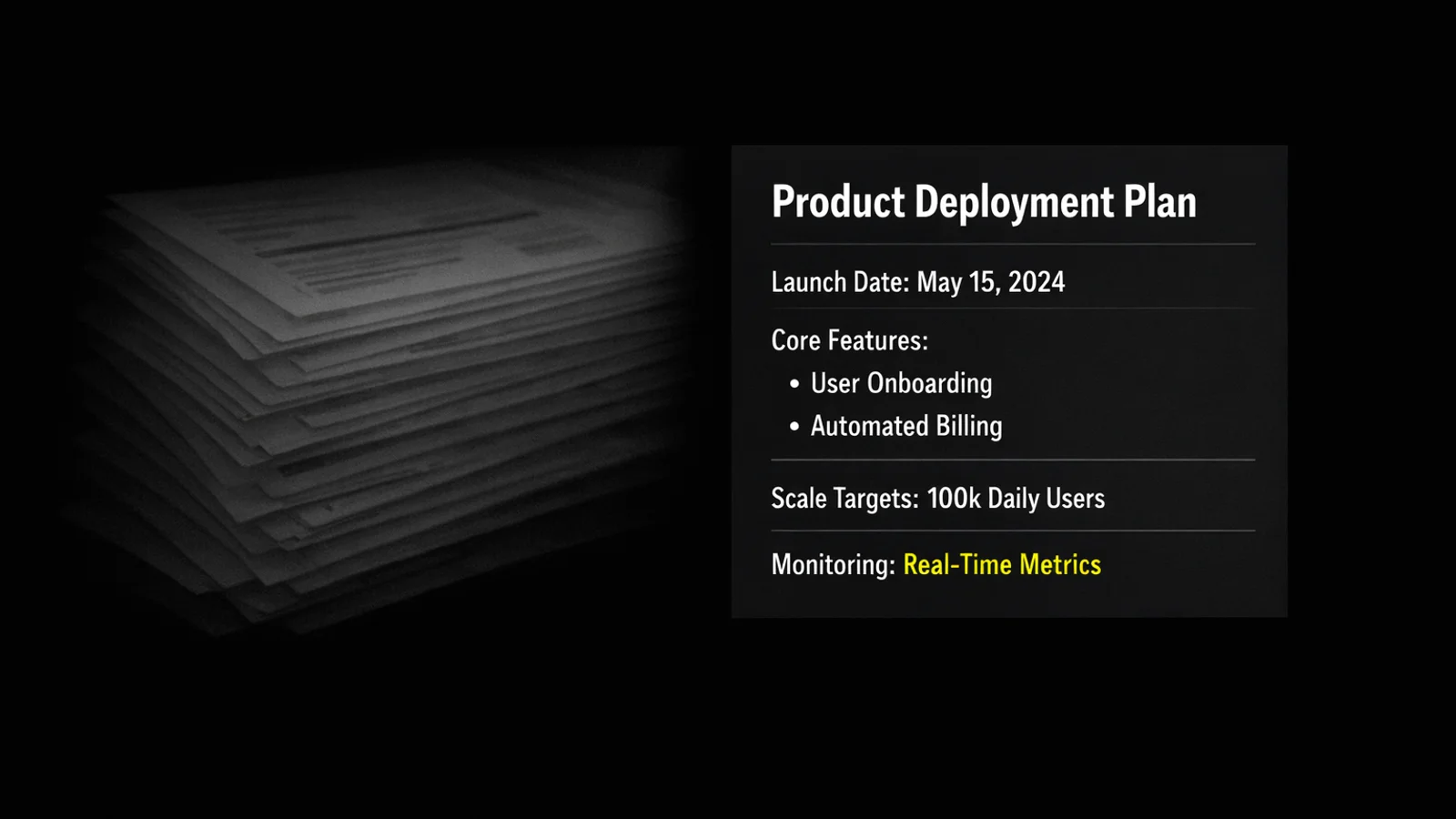
The handoff model strains in the agent era
There is a model where an outside team studies a problem, produces a recommendation, presents it, and leaves the building of it to someone else. That model works when the path is known and the recommendation is the hard part. It strains when the path itself is new.
The agent era is exactly that kind of new. The work, making a brand readable to shopping agents, transactable by a machine, present in the consideration set an agent builds before discovery, does not have a settled playbook a brand can receive on paper and execute on its own. The recommendation and the build are entangled: you learn what to build by building it, and a plan written without shipping anything tends to describe a destination without a working route. A handoff leaves the brand holding the hardest part alone.
What a studio does differently
A studio is organized around shipping, not advising-then-leaving. Three things follow from that.
It ships working capability. The deliverable is something that runs: an integration, an agent-readable surface, infrastructure in production. The engagement is judged by what works at the end of it, not by the quality of the document describing what should work.
It owns the IP behind the work. A studio builds things it keeps and reuses: platforms, components, infrastructure it can apply to the next problem and spin into partnerships. That owned IP is why a studio can ship fast and at depth, it is not rebuilding from zero each time, and it is why the studio has skin in whether the work actually holds up.
It works embedded. Rather than studying a team from the outside and reporting back, a studio digs in with the client team, elevates it where it is strong, and fills the gap where it is not. The combination it brings to the problem is a trilogy, innovation, product, and experience-led growth, applied as embedded work rather than handed over as a finding.
The dual arc the model is built to move
Embedded shipping is built to move two outcomes at once, because the agent era does not let a brand win one without the other:
- Companies to revenue.
- Customers to fans.
A machine-readable catalog a brand cannot ship from is a slideware win. A loyal customer base built on an experience that never compounds into revenue is sentiment, not a business. The studio model, capability that ships plus IP that compounds plus embedded work, is what produces both arcs together. An advise-and-leave engagement can move the first arc on paper and rarely touches the second at all, because fans are made by experiences that ship, not by experiences that were recommended.
NCTR is the proof a studio can build it
The clearest evidence that a model ships rather than advises is what it has already shipped. We did not write about agentic commerce and stop there. We built the consumer-scale proof: the NCTR ecosystem, with Bounty Hunter as the consumer app, Beacon making merchant catalogs agent-readable on Shopify and WooCommerce, Wingman reading loyalty state to decide what surfaces, and the whole thing settling on Base today. Real apps, real brand partners, real transactions.
That is the difference the model makes, stated as a fact rather than a claim: we can point to working software we built and operate, applied to exactly the problem a brand now faces. An advisory relationship points to recommendations. When a brand looks past the first conversation into what can actually be built, the owned, running capability is the answer.
What this means for a brand choosing help
For a brand weighing how to get help with the agent shift, the model is a real variable, not a label. The question to ask is what the engagement leaves behind. A plan the brand then has to find someone else to build is a different thing from a capability that is running when the engagement ends, owned and understood by a team that was in the room while it shipped.
That is the studio posture: grounded, embedded, judged by what works. If you want to see what that looks like applied to your brand, read how we work and about the studio, or start at for brands.
Key Takeaways
- A studio ships working capability and owns the IP behind it; an agency sells hours and a plan to hand off. The difference matters more as the work gets newer.
- The agent-era playbook is not settled, so a recommendation written without shipping anything tends to describe a destination without a working route.
- A studio ships running capability, owns and reuses the IP, and works embedded with the client team, applying innovation, product, and experience-led growth as work rather than as a finding.
- The model is built to move two arcs at once, companies to revenue and customers to fans, which an advise-and-leave engagement struggles to do together.
- NCTR is the proof: real apps, real brand partners, real transactions, owned and operated by us, applied to the exact problem brands now face.
FAQ
What is the difference between a studio and an agency?
An agency sells hours and produces recommendations, advising on a plan and handing it off to be built elsewhere. A studio ships working capability, owns the IP behind it, and works embedded with the client team. The studio is judged by what runs at the end of an engagement; the agency by the quality of its plan.
Why does the studio model matter more in the agent era?
Because the work, making a brand machine-readable, transactable, and present in an agent’s consideration set, does not yet have a settled playbook a brand can receive on paper and execute alone. When the recommendation and the build are entangled, a capability that ships is worth more than a plan to hand off.
What does it mean that a studio owns its IP?
It means the studio builds platforms, components, and infrastructure it keeps and reuses across engagements, rather than rebuilding from zero each time. Owned IP lets a studio ship faster and at more depth, and it gives the studio a stake in whether the work actually holds up in production.
How does NCTR demonstrate the studio model?
The NCTR ecosystem is working software Butterfly built and operates: the Bounty Hunter consumer app, Beacon making catalogs agent-readable on Shopify and WooCommerce, Wingman reading loyalty state, all settling on Base. It is real apps, brand partners, and transactions, the proof a studio ships consumer-scale capability rather than only advising on it.
What should a brand ask when choosing help for the agent shift?
Ask what the engagement leaves behind: a plan the brand must then find someone else to build, or a running capability owned and understood by a team that was in the room while it shipped. In a space without a settled playbook, what ships matters more than what is recommended.