TL;DR
Software as a Cooperative (SaaC) is the 2026 model in which software is developed, maintained, and often owned by a cooperative of its users or stakeholders, with shared value rather than the profit-maximizing vendor relationship of traditional SaaS. It is the third way between proprietary SaaS, which means high cost and vendor lock-in, and large custom builds, which are expensive and slow to evolve. We participate in the SaaC category: the NCTR ecosystem is built on cooperative economics, and we work with a cooperative posture toward our partners rather than a vendor-to-client one.
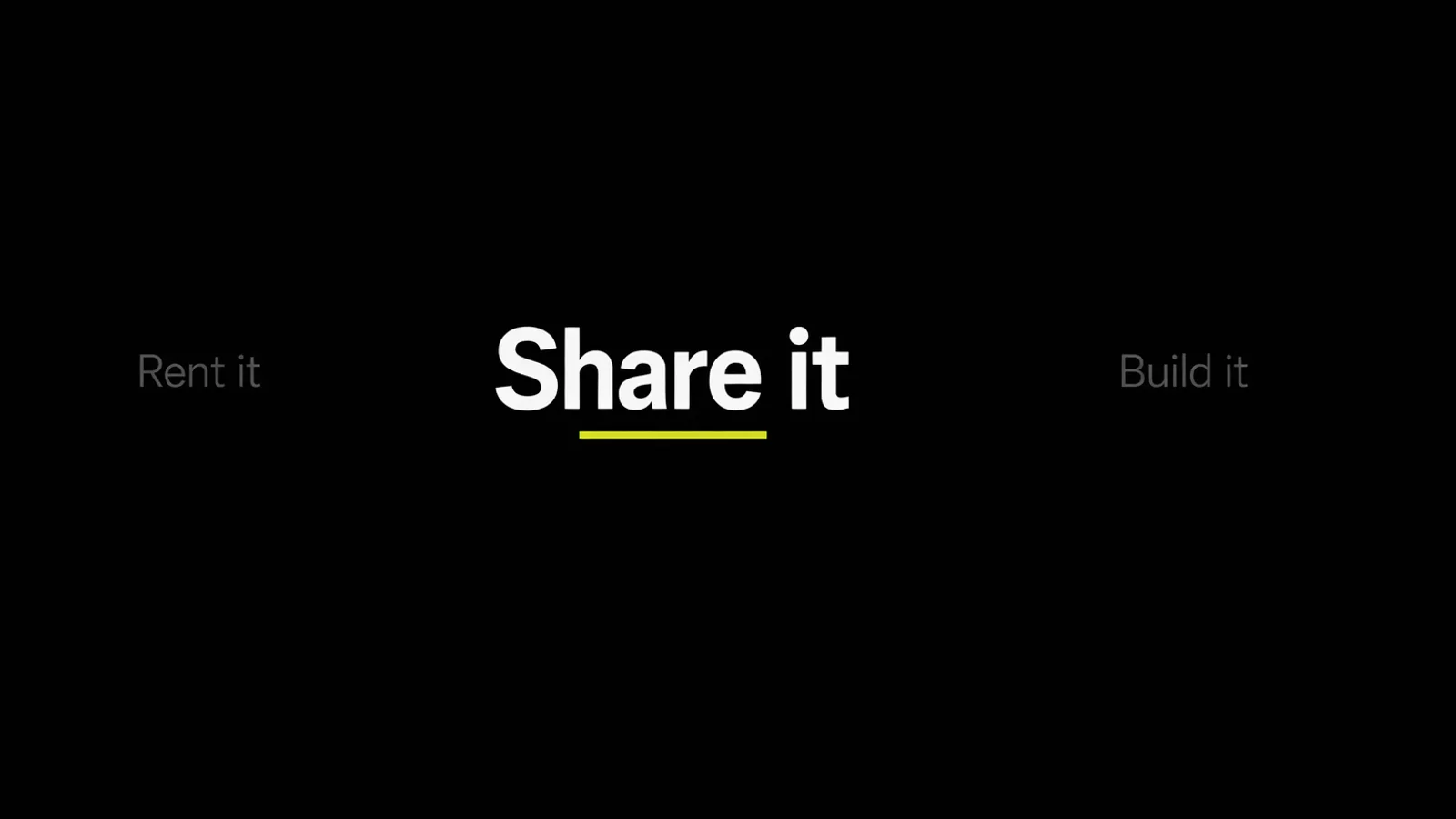
Most companies still face a binary when they need serious software: rent it from a SaaS vendor, or build and maintain it themselves. In 2026 a third option is gaining ground, and it changes who owns the thing you depend on.
What Software as a Cooperative is
Software as a Cooperative is software developed, maintained, and often owned by a cooperative of the people who use it. The emphasis is shared value over the extract-to-shareholders relationship of conventional SaaS. The 2026 conversation frames it around a few core principles:
- Shared ownership and cooperative development. Partners create a joint technical effort to build software that serves their shared needs, rather than renting from a single third-party vendor.
- Cost and value sharing. When one cooperator surfaces a bottleneck or an improvement, the fix benefits everyone, and the cost of maintenance is spread across the group.
- Strategic autonomy. Cooperators gain independence from the SaaS-monopoly ecosystem, so the software serves their needs rather than a vendor’s roadmap.
- Pragmatic development. A posture between fully custom and fully vendor-owned, well suited to sensitive sectors like health and finance and to shared-data use cases where governance carries weight.
SaaC intersects with open-source patterns but is distinct from them. Open source is licensing-shaped, it governs how code can be used. SaaC is governance- and ownership-shaped, it governs who owns and steers the software. You can have one without the other.
The third way
The reason SaaC reads as a third way is the two options it sits between, and the specific pain each one carries.
Proprietary SaaS is fast to adopt and someone else maintains it, but you rent it. The vendor controls the roadmap, the pricing, the data governance, and the lock-in. When your needs and the vendor’s roadmap diverge, the vendor’s roadmap wins.
Custom builds give you control, but you pay for it twice: once to build, then forever to maintain. They are expensive, owner-maintained, and slow to evolve, which is why so many of them calcify a few years after launch.
SaaC keeps the control of a custom build and the shared-maintenance economics of SaaS, by spreading both the ownership and the upkeep across a cooperative of the people who actually depend on the software. No single vendor sets the roadmap, and no single owner carries the whole maintenance burden alone.
Why it is happening in 2026
Two pressures are pushing the model into the open this year.
The first is a growing fatigue with high-cost SaaS dependence. As software became central to every function, the bill and the lock-in grew with it, and the strategic cost of running on someone else’s roadmap became harder to ignore.
The second is that some of the most important infrastructure being built right now is being built cooperatively by design. The open standards forming in agentic commerce are the clearest example: the Universal Commerce Protocol from Shopify and Google, and the x402 payment rail led by a Coinbase and Linux Foundation coalition, are both open-coalition efforts. The shape of how new commerce infrastructure is being built rewards a cooperative posture and penalizes a winner-take-all one.
Where Butterfly fits
We participate in the SaaC category for two reasons that compound.
First, our own platform is built on cooperative economics. The NCTR ecosystem’s participation model puts users in an ownership position, shares value among the participants, and distributes governance rather than holding it at a single vendor. The platform’s economics are spread across a cooperative of brand partners, 5,121 of them as of an April 2026 case study, rather than extracted to shareholders. That specific structural mechanism, the way NCTR works internally, is what we call SAC, Software as Cooperative: our own implementation of the broader SaaC principle. SaaC is the category; SAC is our structural version of it.
Second, we operate in the spirit of the category. The cooperative posture, sharing the cost of figuring out an emerging space like agentic commerce and AEO across brand and platform partners rather than packaging each engagement as a one-off transaction, is part of how we work. The shared five-stage lifecycle frame, the positioning work, the standards-body participation, and the ecosystem access we bring to brand engagements through platform partners all have a cooperative shape rather than a vendor-to-client one.
The open question worth watching
Most SaaC examples in 2026 are stakeholder cooperatives: groups of brands or institutions co-developing a tool they all need. NCTR’s cooperative is a less common variant, a consumer participation cooperative, where the people earning an ownership position are the consumers engaging with the brand ecosystem. That is a more novel shape of SaaC, and as the standards work around agentic commerce matures, it is the shape worth watching.
To see how we work in practice, read about the studio, how we partner with platforms, or the Human-to-Agent Shopping POV that the cooperative model sits underneath.
Key Takeaways
- Software as a Cooperative (SaaC) is software developed, maintained, and often owned by a cooperative of its users, emphasizing shared value over the profit-maximizing SaaS vendor relationship.
- SaaC is a third way between proprietary SaaS (vendor lock-in, vendor-controlled roadmap) and custom builds (expensive to build and maintain).
- SaaC is governance- and ownership-shaped, which makes it distinct from open source, which is licensing-shaped.
- It is gaining ground in 2026 on fatigue with high-cost SaaS dependence and the rise of open-coalition infrastructure like UCP and x402.
- We participate in SaaC both through NCTR’s cooperative economics (our SAC mechanism) and through a cooperative posture toward partners. SaaC is the category; SAC is our implementation of it.
FAQ
What is Software as a Cooperative (SaaC)?
Software as a Cooperative is the 2026 model in which software is developed, maintained, and often owned by a cooperative of its users or stakeholders, with shared value rather than the profit-maximizing vendor relationship of traditional SaaS. It is described as a third way between proprietary SaaS and large custom builds.
How is SaaC different from SaaS?
Traditional SaaS means renting software from a vendor that controls the roadmap, pricing, and data governance, with lock-in as a result. SaaC distributes ownership and maintenance across a cooperative of the users themselves, so the software serves their needs rather than a vendor’s roadmap.
Is SaaC the same as open source?
No. Open source is licensing-shaped, it governs how code can be used and shared. SaaC is governance- and ownership-shaped, it governs who owns and steers the software. A project can be one, both, or neither.
Why is Software as a Cooperative gaining traction in 2026?
Two pressures: growing fatigue with high-cost SaaS dependence and vendor lock-in, and the rise of open-coalition infrastructure such as the Universal Commerce Protocol and the x402 payment rail, which are built cooperatively by design and reward a cooperative posture.
How does Butterfly Studios fit the SaaC category?
Butterfly participates in SaaC in two ways: its NCTR ecosystem is built on cooperative economics, with users in an ownership position and value shared across 5,121 brand partners (its SAC mechanism), and the studio works with a cooperative posture toward partners rather than a vendor-to-client one. SaaC is the category; SAC is Butterfly’s structural implementation of it.